M
missbulchismom
New member
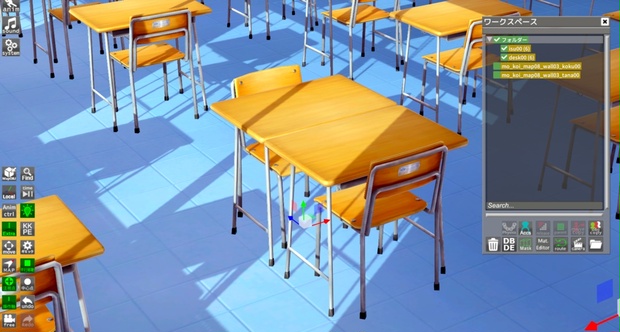
Does anyone know how to fix scene where the map item is all white? 
scene date here: https://gofile.io/d/M3FN2H
scene date here: https://gofile.io/d/M3FN2H

 www.pixiv.net
Your scene is running stable and without problems. Do you have any errors when starting the scene?Does anyone know how to fix scene where the map item is all white?
scene date here: https://gofile.io/d/M3FN2H
 koikatsumodshop.booth.pm
  koikatsumodshop.booth.pm


Also anyone has Varesa from Maikisu?

「コイカツ」 ヴァレサ ● 優先配布
Moo Moo Milk! ----------------------------------------------------------------------------------------------------- <span style="color:#00ff00;">◇ 使用MODPACK:KOIKATSU RX21 ◇</span> <span style="color:#00ff00;">◇ COSTUME: 7( 基礎服+学生服+体操着+水着+カウガール+牛柄ビキニ+?)◇</span>...www.pixiv.net
 www.pixiv.net
 this scene broken for anyone else?
Gofile - Cloud Storage Made Simple
Secure, fast and free cloud storage solution. Upload and share files instantly.gofile.io

Incredibly broken.this scene broken for anyone else?

Thank you!What a cute OC, here you go man

Ok at least its not on my side, now i regret not grabbing it from the kemono link its already downIncredibly broken.

Forcehighpoly mod.hi, i just used koikatsu SS in VR and only the base clothes load up (normal, swimsuit, staying and bathing) is there a way to load the rest or that's it?

Use this

Does anybody know how to fix this? I've had this card for a while now and it always worked but now when I load the card it says I'm missing a mod even tho KKManager says I'm all good. Noticed this after updating from RX21 to RX22 BetterRepack

I posted the scenes here ^, link should still work, plus here's the month of December for 2024 which didn't show up last time and March 2025 https://gofile.io/d/i3kt8DEntire https://www.patreon.com/c/MizukiStudio/home SD https://gofile.io/d/DKyGuE enjoy it lads
anyone able to drop the mizukistudio archive? or post the latest few scenes? link on kemono doesnt work anymore :/
Nope no errors, everything works fine, its just the desks, chairs, walls, everything is white.Your scene is running stable and without problems. Do you have any errors when starting the scene?

bumpdoes anyone have this Xbalanque headmod please? https://www.pixiv.net/en/artworks/127343646

You rock dude, tysmUse this
hatoko is so fucking lazy that he left the same guid of Reine mod in Ollie mod
This one is fixed
(throw away old mod and card and use those files instead)
Here you go man, link.Can anyone help me download (Koibito~[ZZZ] Tool Maintenance - Grace.rar )
from this link https://qiwi.gg/folder/67b09024bfb40d75177d2baa
I can't download it.
Thx,bro!Here you go man, link.
Maybe the problem is in the mod for this map in your build? Try adding exactly the same map to this scene via item search and see. If the result is the same or the situation is similar in an empty scene, then reinstall this mod. Also, the shaders in the map itself could have changed, but I launched this scene and did not have such problems.Nope no errors, everything works fine, its just the desks, chairs, walls, everything is white.